

Iron in Water & Staining
Noticing reddish stains, metallic taste, or discoloration in your water?
Iron is one of the most common water issues, especially for well water homes — but it can also appear in municipal water depending on local infrastructure. While iron in water isn’t always harmful, it can cause frustrating staining, unpleasant taste, and long-term wear on plumbing and appliances.
The good news: iron problems are very treatable once you understand the type of iron present.

Does This Sound Familiar?
Iron-related water problems can show up in several ways depending on concentration and form.
Common signs include:
- Orange, red, brown, or rust-colored stains in sinks, tubs, or toilets
- Laundry turning yellow, orange, or dingy after washing
- Metallic taste in drinking water
- Cloudy or discolored water, especially after sitting
- Black or dark staining (sometimes manganese alongside iron)
- Slime or buildup inside toilet tanks or plumbing fixtures
- Reduced water pressure due to buildup in pipes
You may notice these issues gradually or suddenly depending on changes in water conditions.

Why Iron Becomes a Bigger Problem Over Time
Even low levels of iron can create ongoing maintenance challenges.
Over time, iron-related issues may:
- Permanently stain fixtures, grout, and laundry
- Build up inside pipes and reduce flow rates
- Shorten the lifespan of appliances and water heaters
- Clog filters or reverse osmosis systems
- Affect taste, clarity, and overall confidence in drinking water
Many homeowners initially treat symptoms (like staining) without addressing the underlying water chemistry.

How Iron Problems Are Typically Addressed
There isn’t a one-size-fits-all iron filter because treatment depends on:
- Type of iron present (clear water, oxidized, bacterial)
- Iron concentration levels
- Presence of other contaminants (manganese, sulfur, hardness)
- Water source (well vs municipal)
- Household water usage and flow rates
At Water eStore, we focus on understanding your water before recommending equipment.
Our process:
1️⃣ Test your water or review existing lab results
2️⃣ Identify iron type and overall water chemistry
3️⃣ Build a personalized treatment approach designed for long-term performance
So… How Do You Actually Fix Iron in Water?
The right solution depends on what kind of iron is present.
Different approaches may include:
- Iron filtration systems designed for specific iron types
- Oxidation and filtration methods for higher concentrations
- Whole-house systems to protect plumbing and appliances
- Pre-treatment solutions when multiple water issues exist
Choosing the correct approach from the beginning helps prevent ongoing maintenance and equipment frustration.


Start With a Home Water Test
A water test provides clarity so you can avoid guessing.
Our home water test kits help:
- Identify iron levels and types
- Detect related contaminants that influence treatment decisions
- Provide a foundation for personalized recommendations
Once you know what’s in your water, our team helps you understand your options and design a solution tailored to your home.
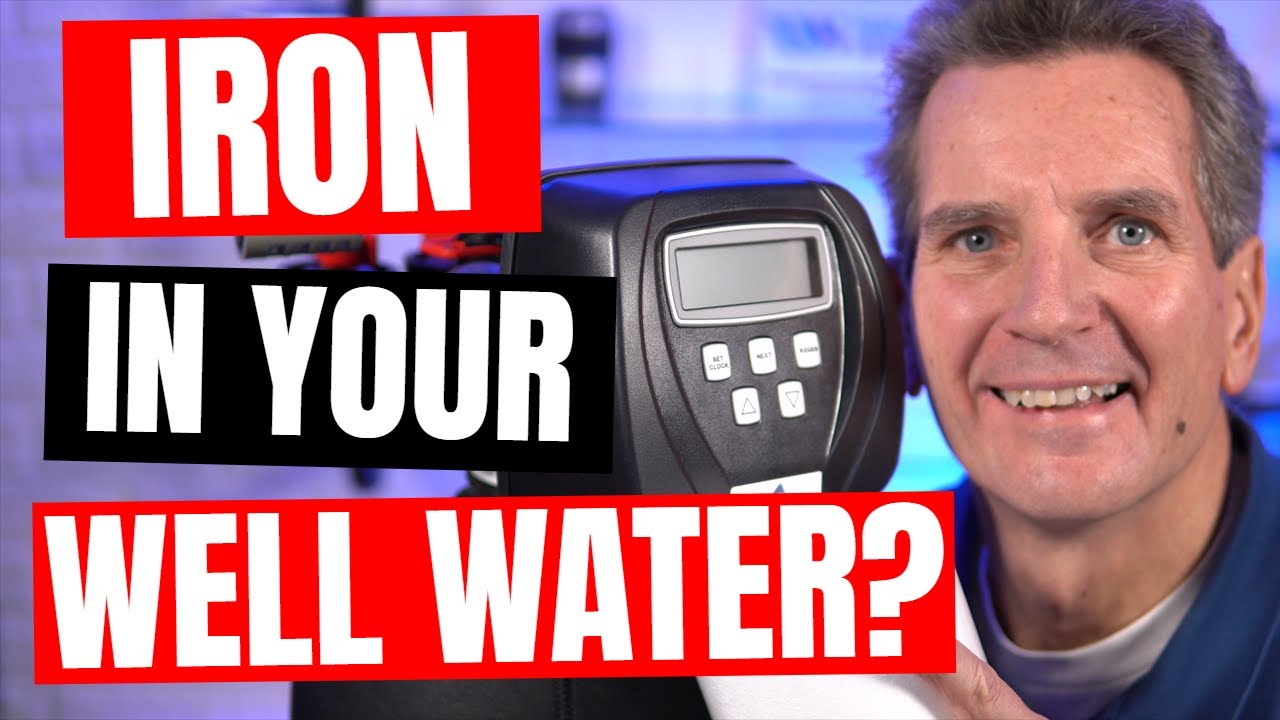

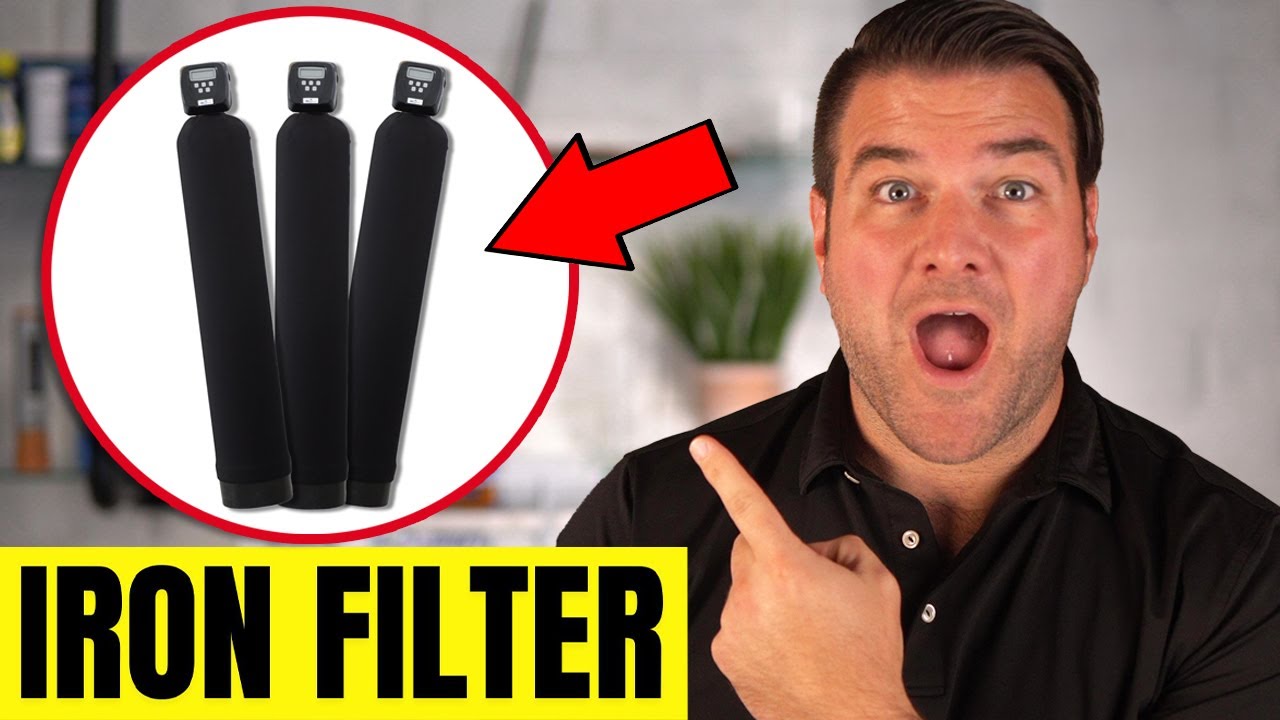
Iron & Staining FAQs
Is iron in water dangerous?
Is iron in water dangerous?
Iron is typically considered an aesthetic issue rather than a health concern, but high levels can impact taste, staining, and plumbing performance.
Why does my water look clear at first but turn orange later?
Why does my water look clear at first but turn orange later?
This often indicates clear water (ferrous) iron that oxidizes when exposed to air.
Will a basic sediment filter remove iron?
Will a basic sediment filter remove iron?
Not always — treatment depends on the form of iron present, and many cases require specialized filtration.
What’s the first step?
What’s the first step?
Testing helps determine iron type and concentration so you can match treatment correctly.