

Hard Water & Scale Buildup in Your Home
Noticing white spots, stubborn soap residue, or buildup on your fixtures?
Hard water is one of the most common water challenges homeowners face, and the good news is, it’s also one of the most solvable once you understand what’s happening.

Does This Sound Familiar?
If you’re here, you may already be seeing the signs. Hard water often shows up gradually, but over time it becomes difficult to ignore.
Common signs include:
- White spots or film on dishes and glassware
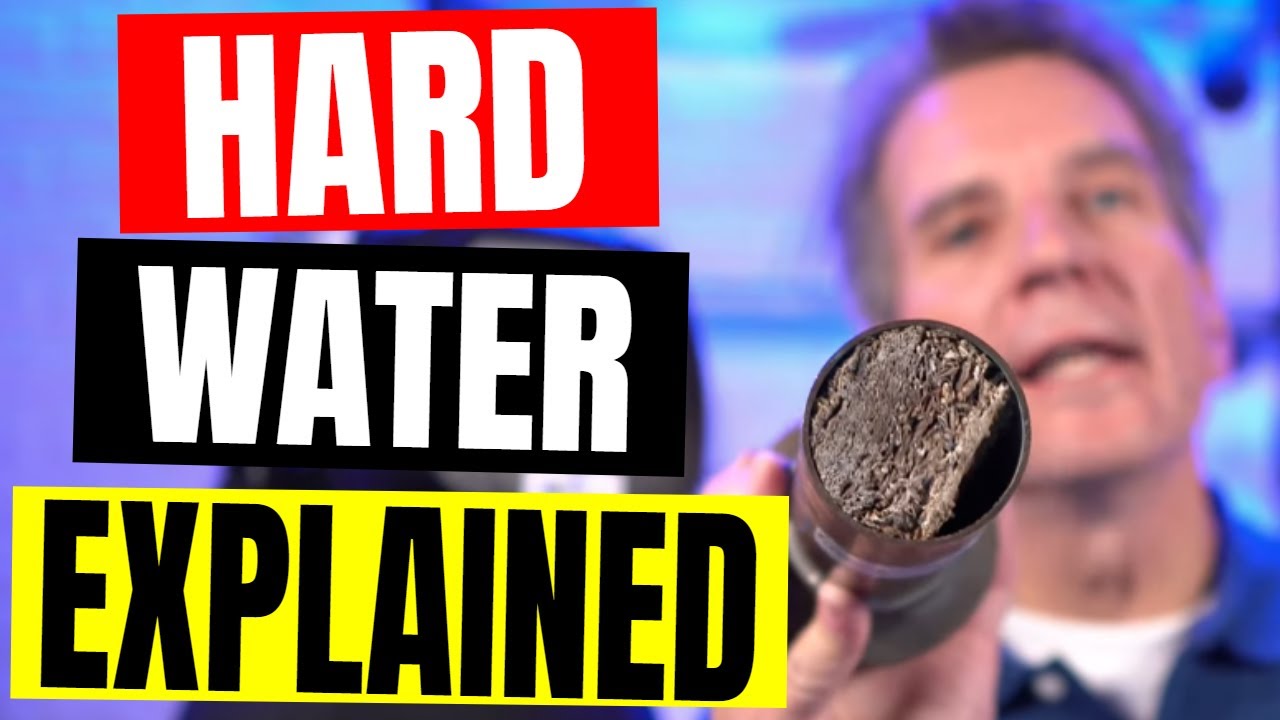
- Scale buildup on faucets, showerheads, or appliances
- Soap that doesn’t lather well
- Dry skin or dull hair after showering
- Stiff or scratchy laundry
- Reduced water pressure from clogged fixtures
- Frequent cleaning but surfaces still look cloudy
You may notice one or several of these at the same time.

Why Hard Water Becomes a Problem Over Time
Hard water doesn’t just impact appearance, it can affect how your home functions.
Over time, scale buildup may:
- Reduce appliance efficiency (dishwashers, water heaters, washing machines)
- Shorten the lifespan of plumbing and fixtures
- Increase soap and detergent usage
- Cause water heaters to work harder, increasing energy costs
- Lead to ongoing cleaning frustration
Many homeowners initially think the issue is soap, cleaners, or appliances, when the root cause is actually the water itself.

How Hard Water Is Typically Addressed
There isn’t a one-size-fits-all water solution, because every home’s water chemistry, plumbing, and goals are different. That’s where we come in.
At Water eStore, we help you understand exactly what’s happening with your water before recommending any system. Instead of guessing, we look at the full picture, including:
- Your water’s hardness level and overall chemistry
- Any additional minerals or contaminants present
- Whether you need whole-home treatment or targeted improvement
- Household size, water usage, and long-term maintenance goals
Our approach is simple and guided:
1️⃣ Test your water so you know what you’re actually dealing with
2️⃣ Review your results with our experts for clear, practical insight
3️⃣ Build a personalized setup designed specifically for your home
No guesswork, just solutions that make sense for you.
So… How Do You Actually Fix Hard Water?
The short answer: it depends on your water.
Hard water solutions aren’t just about buying a filter or choosing the most popular system. The best results come from understanding what’s in your water first, then building a setup that matches your home, usage, and goals.
That’s why most homeowners begin with testing and expert guidance before deciding on treatment.


Start With a Home Water Test
A water test gives you real answers, not assumptions. Our home water test kits are designed to:
- Measure hardness levels clearly
- Identify additional factors that influence treatment decisions
- Give you a foundation for personalized recommendations
Once you know what’s in your water, our team can help you understand your options and design a system that fits your home and goals.
Want to learn more about our testing process? View / download the full guide here.
Hard Water FAQs
Is hard water safe to drink?
Is hard water safe to drink?
In most cases, hard water is not considered harmful to drink. The minerals that cause hardness, primarily calcium and magnesium — are naturally occurring. However, hard water can create challenges throughout your home, including scale buildup, appliance wear, and cleaning frustrations. Many homeowners choose treatment to improve performance, comfort, and long-term maintenance.
How do I know if I actually have hard water?
How do I know if I actually have hard water?
Visible signs like white spots on dishes, scale buildup on fixtures, or soap that doesn’t lather well are common indicators — but the only way to know for sure is through testing. A water test measures hardness levels and helps determine whether additional factors may be contributing to what you’re seeing.
Can I fix hard water with a simple filter or DIY solution?
Can I fix hard water with a simple filter or DIY solution?
Some short-term solutions may reduce symptoms temporarily, but long-term results typically depend on understanding your specific water chemistry and choosing the right treatment approach. Because every home is different, starting with testing and expert guidance helps avoid investing in solutions that may not fully address the problem.
What’s the first step to improving hard water?
What’s the first step to improving hard water?
The best first step is learning exactly what’s in your water. A home water test provides clear data about hardness levels and other factors that influence treatment decisions. From there, our team can help you understand your options and design a setup tailored to your home.